Why Scalable System Architecture Is Essential for Industrial Computers to Keep Up with Application Growth
With industrial sites evolving from single-function control toward intelligent automated operations, application requirements now extend well beyond basic data processing to encompass AI inference, image analysis, and multi-device integration. Faced with these fast-changing technology trends, an industrial computer that only meets today's needs might struggle to cope with the increasingly complex expansion demands of tomorrow. As a result, scalable design with flexible upgrade capability has become a key consideration when selecting an industrial computer.
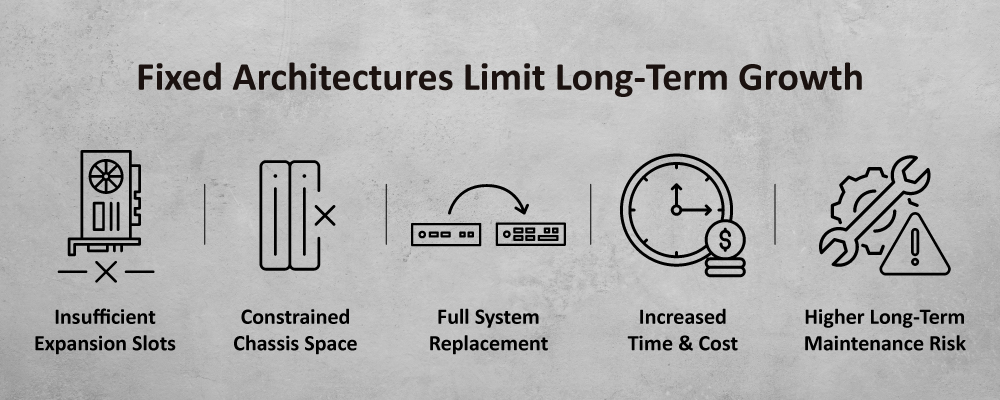
Fixed Architectures Limit Long-Term Growth
Industrial computers with fixed architectures may meet requirements at the outset of a project, but as application scenarios evolve and functional requirements grow, they often run into risks such as lack of flexibility, deployment challenges, and limited scalability. Common challenges include:
Insufficient Expansion Slots
The number of expansion slots in a fixed architecture is set at the factory, making it difficult to add extra cards, frame grabbers, or communication modules later as needs arise.
Constrained Chassis Space
Some applications require high-performance computing cards or multi-port I/O cards, but the limited internal space of a fixed chassis cannot accommodate larger expansion cards, hindering upgrades.
Full System Replacement
When the existing architecture can no longer meet new requirements, the entire computer typically must be replaced. Differences in dimensions and mounting hole positions then add to the work of adjusting equipment structures and reintegrating systems.
Increased Time and Cost
Every full system replacement means re-evaluating devices, retesting system compatibility, and redeploying on-site, significantly extending project timelines and raising overall costs.
Higher Long-Term Maintenance Risk
For industrial projects that must run for 5, 10, or more years, an architecture that lacks flexibility for expansion makes future maintenance and feature upgrades more difficult, increasing operational risk and creating additional expense.
The Advantages of Scalable Design
In contrast to the many limitations of fixed architectures, industrial computers with a scalable design offer a more flexible solution, allowing businesses to adjust configurations at any stage of a project's development. Advantages include:
Lower Upfront and Long-Term Costs
Businesses can select a basic configuration that meets current requirements without committing to top-tier specifications upfront, effectively lowering the initial deployment threshold. As application needs grow, a selection of add-ons can provide the required computing power, I/O, or other functions. Upgrade costs are incurred only for the new requirements.
Faster Deployment and Upgrades
Scalable architecture reserves room for future upgrades, so businesses don't need to reselect or redesign with every expansion — modules can simply be added or replaced as needed to complete an upgrade. Because the hardware architecture carries forward, existing software environments and validation can be reused, effectively reducing the time and manpower required for reintegration, testing, and validation.
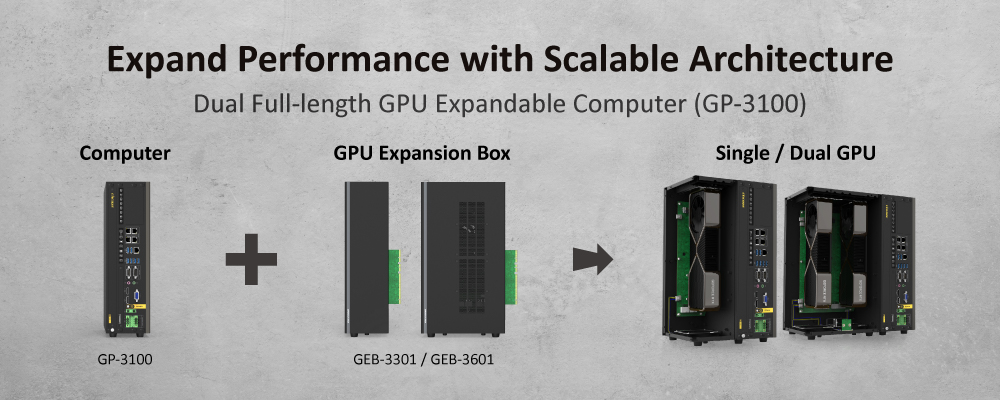
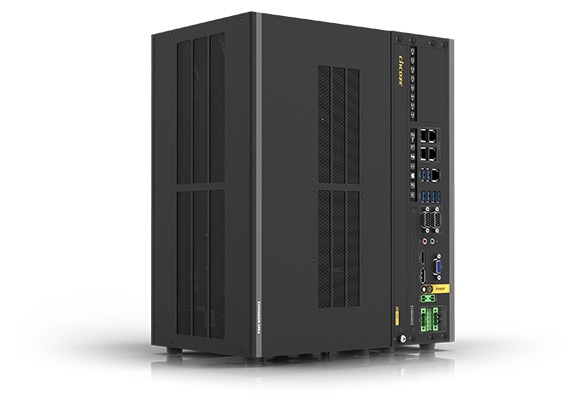
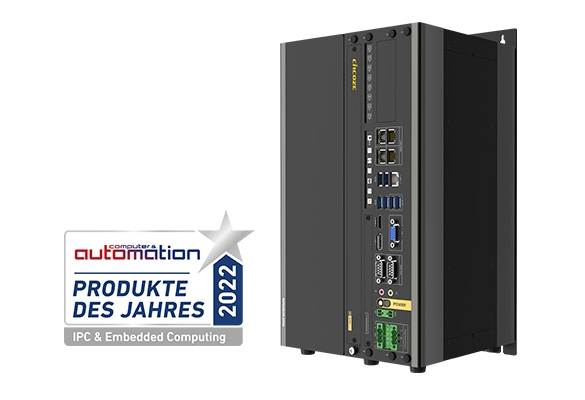
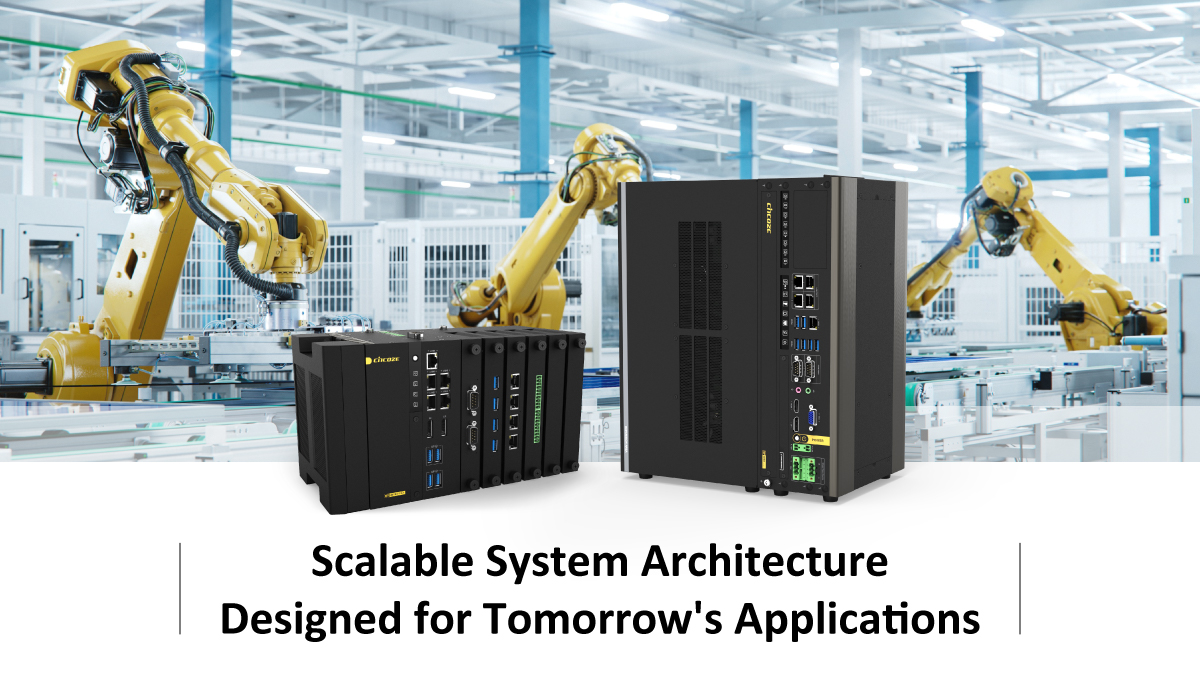
For example, the Cincoze dual full-length GPU scalable computer (GP-3100) has gained popularity in the high-performance GPU computer market thanks to its highly flexible scalable architecture. Through a 3- or 6-deck GEB expansion box, customers can scale up progressively based on computing needs, supporting up to two 328 mm high-end full-length GPU cards, flexibly accommodating growing AI computing and image processing workloads while effectively extending the system's service life.
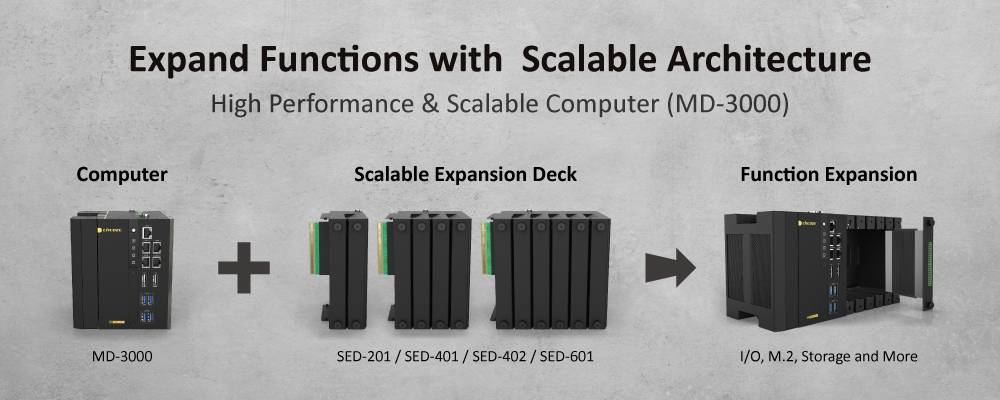
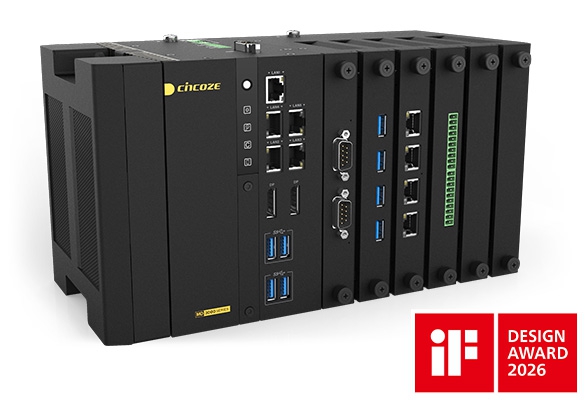
Cincoze's high-performance, scalable MD-3000 Series computer follows the same flexible expansion principles. It is a combination of the base computer, a Scalable Expansion Deck (SED), and Scalable Expansion Modules (SEM). Businesses can select 2-, 4-, or 6-slot SED and combine them with a diverse range of SEM modules, including various I/O interfaces, PoE, M.2 expansion, and 2.5” storage options. Even as visual recognition and image processing demands on the smart manufacturing floor grow more complex, performance upgrades can be completed quickly to keep pace with changing application needs.
In addition, strong continuity across product generations is another key Cincoze advantage. Products within the same series maintain a consistent ID and mounting hole layout, so customers upgrading to a new-generation model don't need to readjust existing equipment structures. Existing modules can also continue to be used, reducing the work and time needed for re-integration and validation and making generational upgrades faster and smoother.
Ready Today, Expandable Tomorrow
An ideal industrial computer should do more than meet today's application needs — it should also offer the flexibility to expand for future applications. With scalable architecture, businesses can deploy systems at a reasonable cost from the outset and confidently respond as applications evolve, without bearing the risk and expense of full system replacement. Only an industrial computer that balances “fit for today” with “expandable for tomorrow” can truly become a trusted partner for business.
Q&A
Q1:Why do industrial computers need scalable design?
A:Industrial sites are rapidly moving from single-function control toward intelligent, automated operations, and application requirements are advancing from basic data processing to AI inference, image analysis, and multi-device integration. A fixed architecture lacks the flexibility to adapt to future needs, which is why scalable design has become a key criterion when choosing an industrial computer.
Q2:What is an industrial computer with scalable architecture?
A:An industrial computer with scalable architecture reserves expansion space at the design stage, allowing computing performance and functionality to be progressively enhanced later by adding decks or expansion chassis. Compared with fixed architectures, it offers greater upgrade flexibility and is well-suited to long-term industrial deployments.
Q3:What benefits does scalable design bring to industrial computers?
A:Initial specifications can be flexibly configured to match requirements and progressively developed into a higher-tier architecture without full system replacement, while also reducing the time spent on reselecting models and compatibility testing. This enables rapid support for high-performance applications, making system upgrades faster and more cost-effective.
Q4:What design features might a scalable industrial computer have?
A:The Cincoze GPU embedded computer GP-3100, for example, uses a patented GPU Expansion Box (GEB) design, so upgrading to higher-tier computing power in the future only requires replacing the GEB, while connectors and mounting hole positions from the previous generation carry over, making modules fully backward-compatible. Another scalable computer, the MD-3000 Series, offers up to 6-slot flexible configuration through its exclusive Scalable Expansion Deck (SED) and Scalable Expansion Module (SEM) architecture, supporting rail alignment system for quick installation to easily meet diverse expansion needs.